Riverside Sanitarium
The Legend
Location Overview
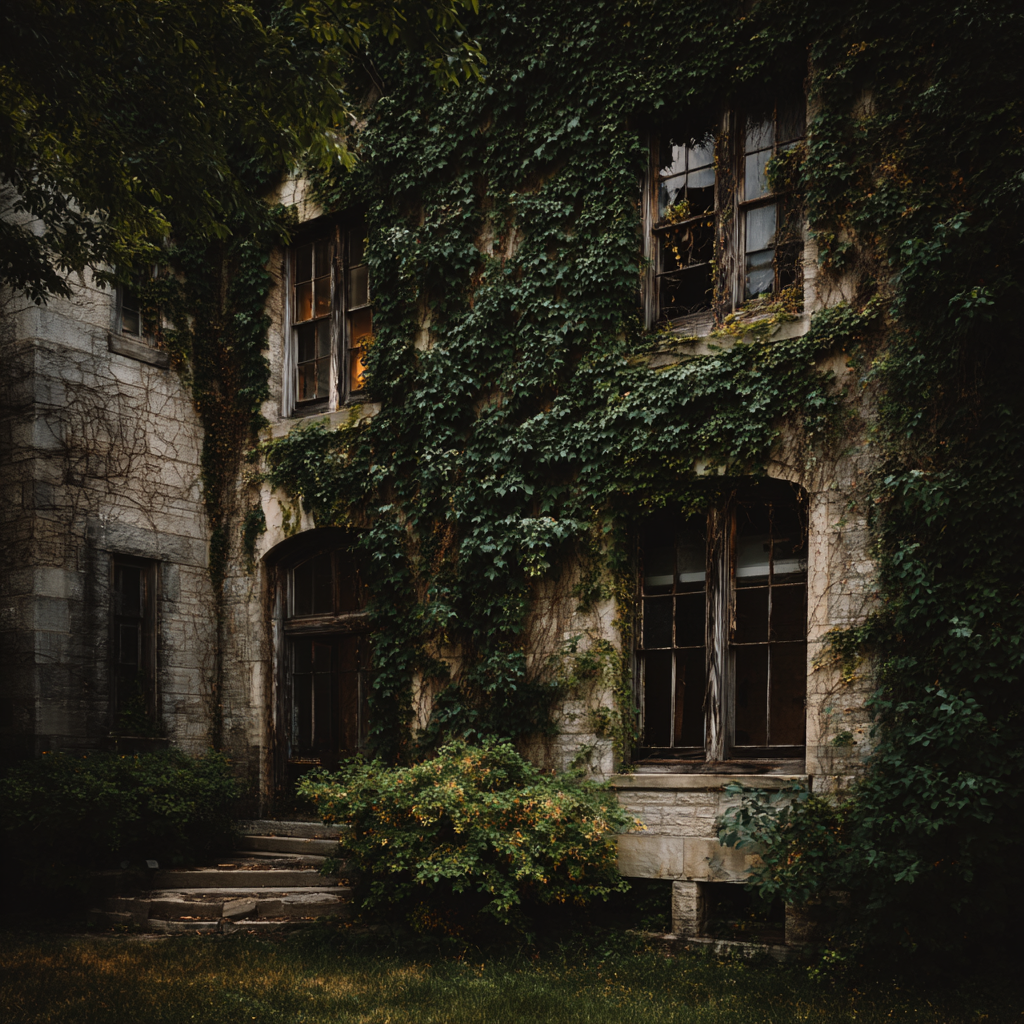
Broken windows, overgrown ivy, dramatic lighting
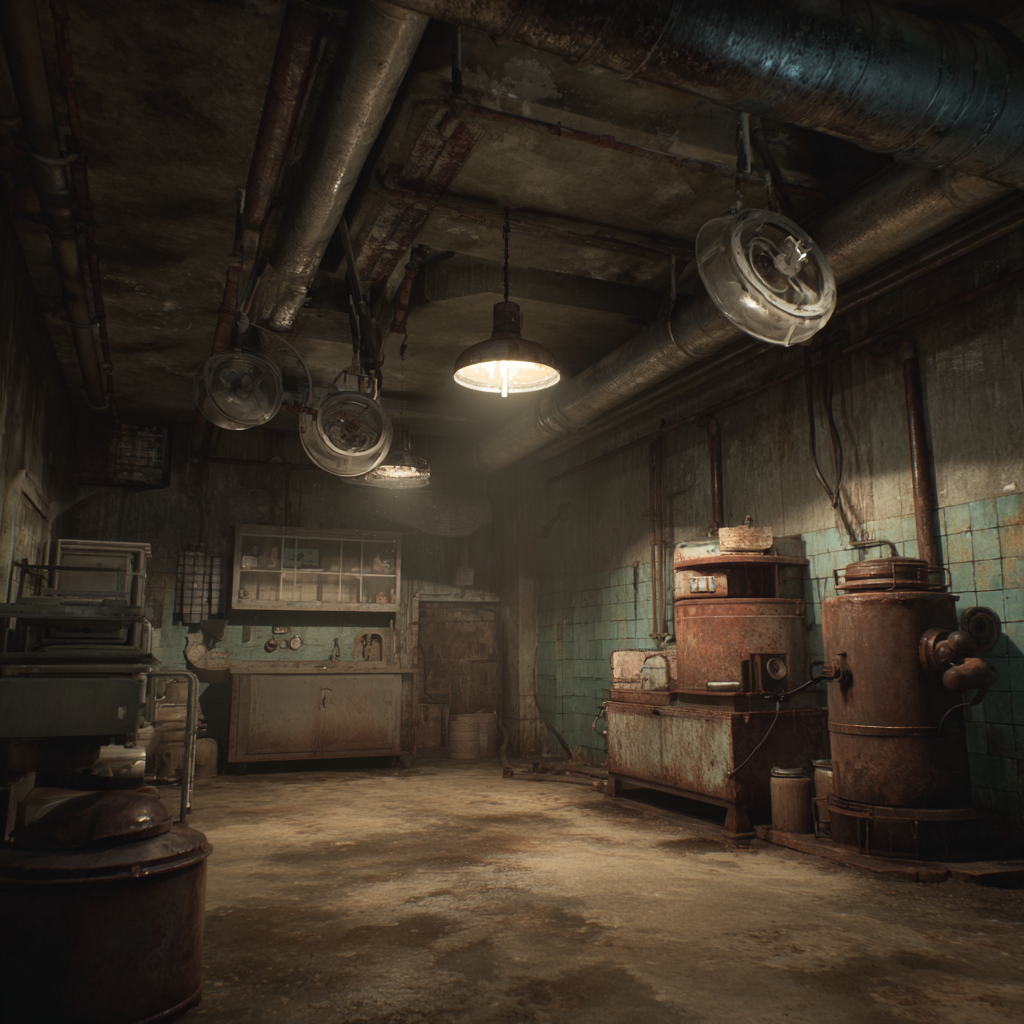
Rusted medical equipment, atmospheric decay
Investigation Plan
- Audio Equipment: Multi-point recording stations throughout basement treatment areas
- Historical Research: Cross-reference reported "ghost conversations" with actual medical procedures
- Structural Analysis: Complete survey of building's ventilation and pneumatic systems
- Documentation: 48-hour continuous monitoring with backup recording systems
Equipment Deployment
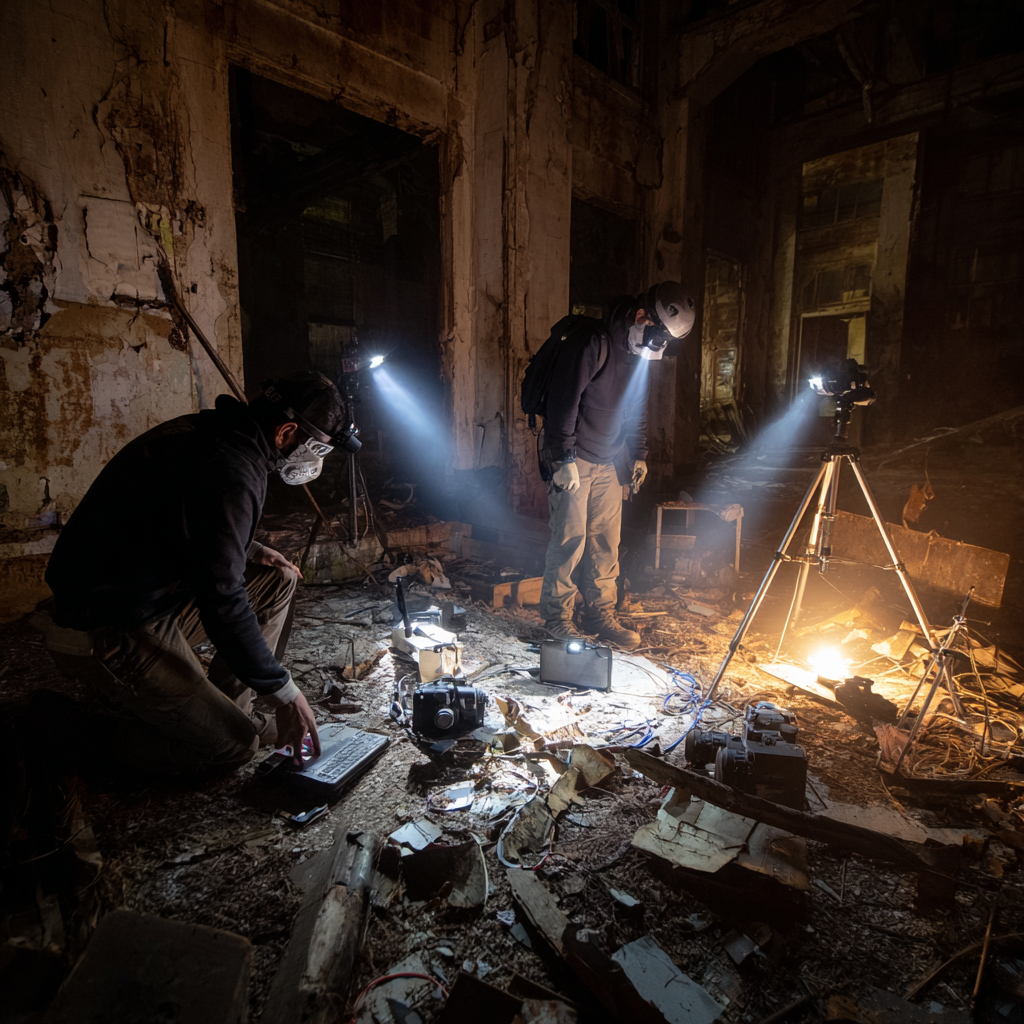
Headlamps, professional documentation setup
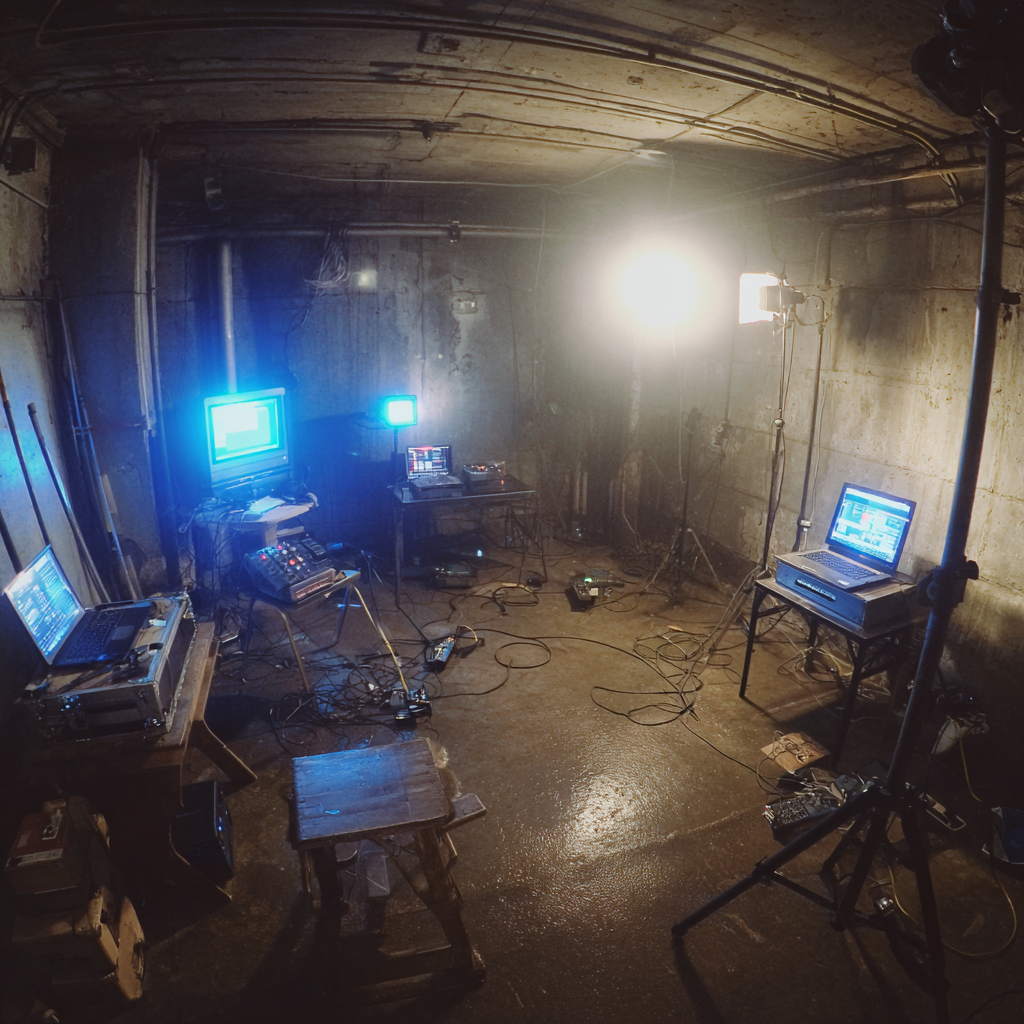
Multiple recording points in basement
The Discovery
The building's original pneumatic tube messaging system (used to send communications between floors in the 1940s) had partially collapsed but remained partially functional. Temperature fluctuations caused air pressure changes that forced air through damaged tubes, creating voice-like sounds.
Key Evidence
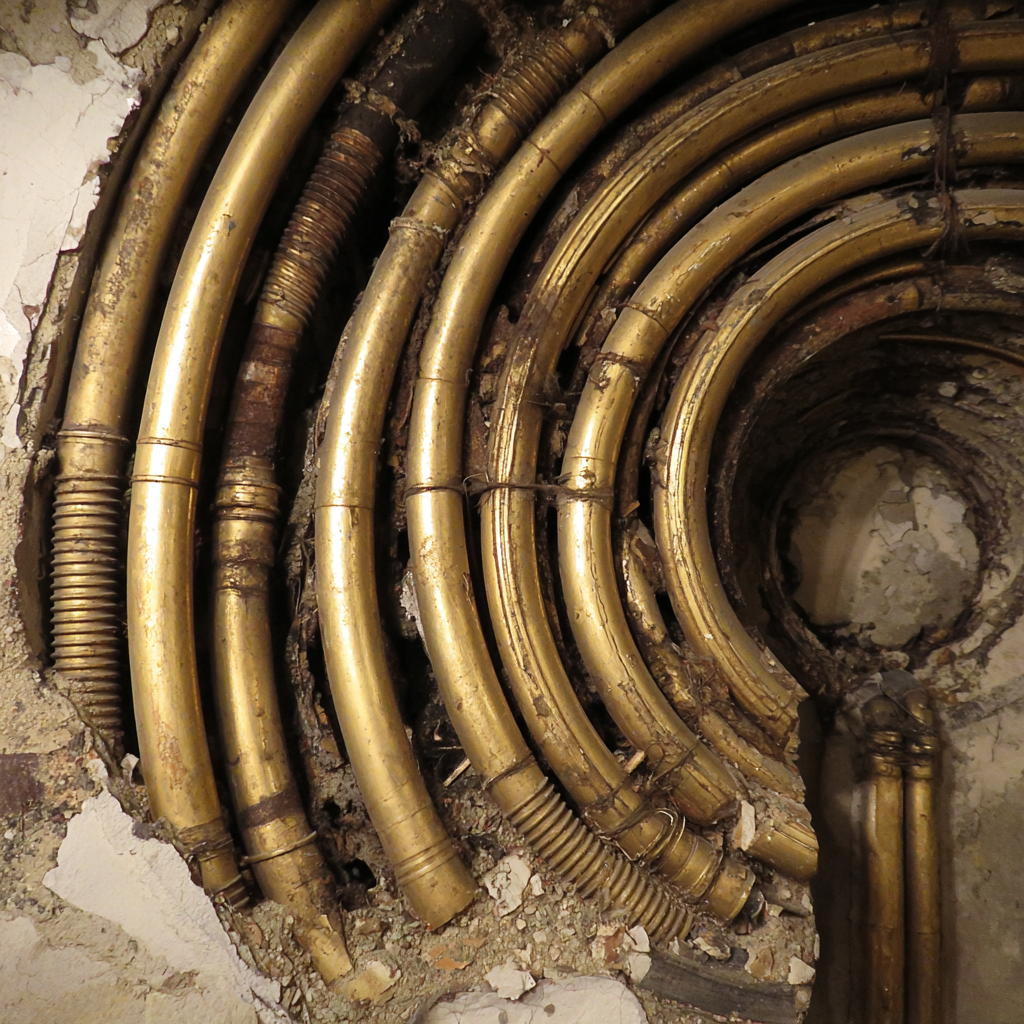
Partially collapsed brass tubes, vintage architecture

1940s documents found in tubes
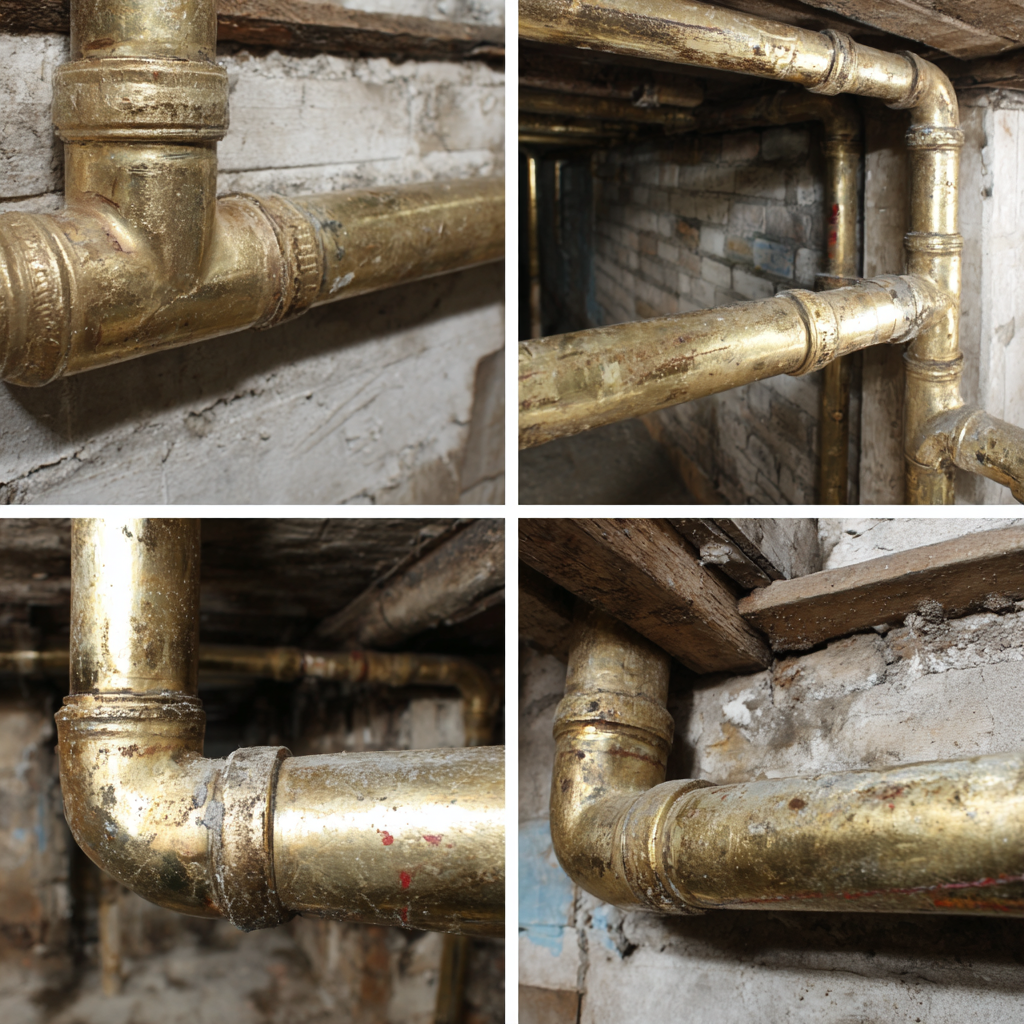
Structural survey mapping voice locations
The "ghost conversations" were literally historical - actual recorded medical consultations from the 1940s being mechanically "replayed" through pneumatic system resonance. 1940s patient records found wedged inside tubes were being moved by airflow, and audio analysis confirmed that "ghost voices" were mechanical resonance of these historical recordings.
Investigation Photos
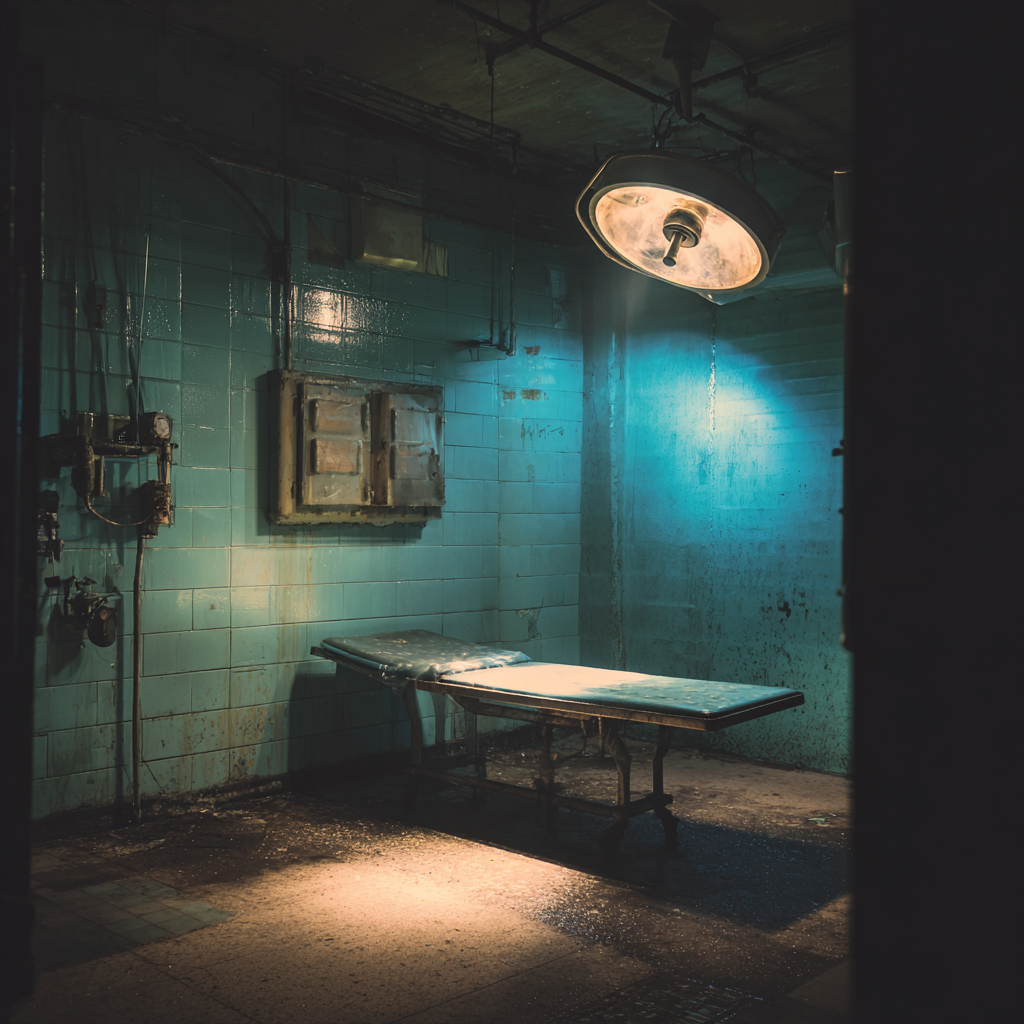
Flashlight illumination, eerie atmosphere

Close-up detail, dust particles in air
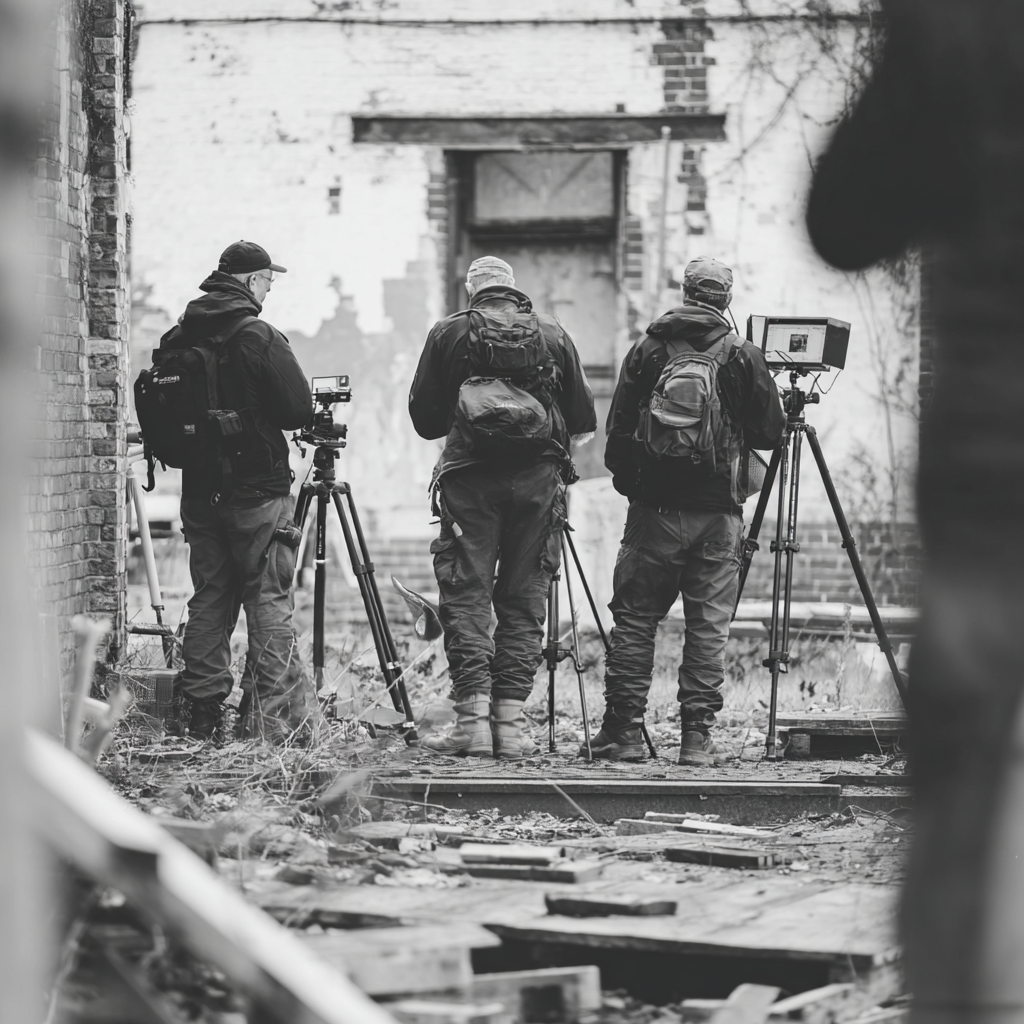
Professional investigation methodology

Macro photography of historical documents
Case Resolution
The Riverside Sanitarium investigation demonstrated that seemingly supernatural phenomena often have mechanical explanations rooted in the building's original infrastructure. The "ghost voices" were a fascinating example of unintentional historical preservation - the building itself had become a repository for 1940s medical consultations, replaying them through environmental changes.
This case established our methodology for investigating reported voice phenomena and highlighted the importance of understanding a building's original systems and infrastructure when evaluating unexplained sounds.
Phenomena Explained: 100% of reported voice activity traced to pneumatic system resonance
Historical Value: Recovered 1940s medical records provided insight into sanitarium operations
Public Safety: Building structural hazards documented and reported to local authorities